Saturday, June 3, 2023

Obstacles to Receiving the Word of God


We begin with the premise that there is a God, and that He has communicated to man, either directly or through messengers (angels), and that His communication has been recorded, even though, by design, only some of these records are now available, and additional records are promised to those who believe His written words. 


The office of these angels is to declare the word of God unto certain individuals chosen of the Lord such as Adam, Enoch, Abraham, Moses, Joseph Smith and others. Through these prophets and others, His words have been recorded for the benefit of the residue of men, who can come to their own knowledge from God of the truthfulness of His words through the Holy Ghost (Moroni 7:31-32). Belief or non-belief in this premise is irrelevant because belief does not make something true or not true. The question is whether this premise is true or not, not whether we believe it or do not believe it.   


We can read what Christ said about what He taught:  "For I have not spoken of myself; but the Father which sent me, he gave me a commandment, what I should say, and what I should speak. And I know that his commandment is life everlasting: whatsoever I speak therefore, even as the Father said unto me, so I speak" (John 12:49-50). This same claim has been made by Adam and all the others who received His words either directly from Him or through His messengers.


Christ also prepared a way for others to remember all the words which He spake during His mortal ministry. He said: "The word which ye hear is not mine, but the Father's which sent me. These things (words) have I spoken unto you, being yet present with you. But the Comforter, which is the Holy Ghost, whom the Father will send in my name, he shall teach you all things, and bring all things to your remembrance, whatsoever I have said unto you" (John 14:24-26 emphasis added). 


If this premise is true and God has spoken to man; and if these words or many of them have been recorded, why is it that so few people know of His recorded words and of those who do, why so few hearken or give heed unto His words? Or do those who do not know His words know of them but wilfully ignore them?


Let's begin with the first parable spoken by the Savior, keeping in mind that through parables He taught the doctrine of His Father and "spake the word (of God) unto them" (Mark 4:2; 33-34). The Savior asks two questions about the parable of the sower: 


1) "Know ye not this parable?" and, if not


2) "How then will ye know all parables?" (Mark 4:13).


These questions mark the parable of the sower as the foundation to understanding each of the other parables, and to the understanding of why so few know His words and why so few hearken unto His words


So knowing that he only speaks the words of His father, and that He also uses parables to teach us His Father's words, let's examine the parable of the sower, which is the foundation of all the parables. From it we can come to know just how crucial the word of God is, and how our response to His word determines our fate. It will also tell us some of the obstacles to hearing the word of God, or obstacles to recognizing the word of God when it is spoken to us, and also of the obstacles to hearing and hearkening unto God's words.


Christ begins by saying:


"Behold, a sower went forth to sow; and when he sowed, ¹some seeds fell by the way side, and the fowls came and devoured them up: 


²Some fell upon stony places, where they had not much earth: and forthwith they sprung up, because they had no deepness of earth: and when the sun was up, they were scorched; and because they had no root, they withered away. 


And ³some fell among thorns; and the thorns sprung up, and choked them: 


But ⁴others fell into good ground, and brought forth fruit, some an hundredfold, some sixtyfold, some thirtyfold. Who hath ears to hear, let him hear" (Matthew 13:3-9).


When Jesus was asked by His disciples why he spoke "unto them in parables?" (Matthew 13:10), He answered: because "they seeing see not; and hearing they hear not, neither do they understand" (Matthew 13:13). 


What is it that we do not see, do not hear and do not understand? 


Before He answers that question he tells us why we do not see, hear or understand. "For this people's heart is waxed gross, and their ears are dull of hearing, and their eyes they have closed; lest at any time they should see with their eyes, and hear with their ears, and should understand with their heart, and should be converted, and I should heal them" (Matthew 13:15; Acts 28:27). 


Peter is purported to have said the following: "In order, therefore, that there might be a distinction between those who choose good and those who choose evil, God has concealed that which is profitable to men, i.e., the possession of the kingdom of heaven, and has laid it up as a secret treasure, so that no one can easily attain it by his own power or knowledge. Yet He has brought the report of it [sowed the seeds], under various names and opinions, through successive generations, to the hearing of all: so that whosoever should be lovers of good, hearing it, might inquire and discover what is profitable and salutary to them; but that they should ask it, not from themselves, but from Him who has hidden it" (Clement of Rome, Recognitions, Book 3, Chapter 43). 


In other words the seeds (words of God) have been sown throughout the entire world and from the beginning of time, and only those who desire good, will seek out the treasures of heaven, the Kingdom of Heaven.


What we don't see, hear or understand is His word which is represented by the seed. 


"Hear ye therefore the parable of the sower. When any one heareth the word of the kingdom and understandeth it not, then cometh the wicked one, and catcheth away that which was sown in his heart. This is he which received seed ¹by the way side" (Matthew 13:19). 


He tells us that the seed is the word, and that it is sown in our hearts. We 'hear' it but don't understand it. And why don't we understand it? Because our hearts are not ready to receive it; our soil has not been prepared. Our hearts are the biggest obstacles to hearing and understanding the word of God when it is sown by the sower, who is Christ. Our hearts are set on other things, or are hard, and the seed cannot take root. Also our minds may be so full of dogmas, noxious opinions, and religious traditions, that we cannot give place for the word to nourish our minds.


His parables are not just stories used to illustrate a point, but are His word and His doctrine, given to all of us as we are able to hear His word. We may hear the parable, but we may not hear His word, His doctrine or of things to come, and therefore we will not understand the parable. Why? Because we have hardened our heart against the word, do not know His word, have not received His words and do not desire to. He answers the question "Why?" with a question: "Why do ye not understand my speech? Even because you cannot hear my word" (John 8:43 emphasis added).


Christ goes on: "But he that received the seed ²into stony places, the same is he that heareth the word, and anon with joy receiveth it; Yet he hath not root in himself, but dureth for a while: for when tribulation or persecution ariseth because of the word, by and by he is offended" (Matthew 13:21). 


The phrase "hath not root in himself" refers to the root which grows from the seed of the word of God planted in the heart (Alma 32). When we harden our hearts against the word, the word is not "found in us" (Alma 12:13), or not found in our hearts. It may have been planted but because it did not take root or because we hardened our heart, the seed falls in "stony places" which is another description for hard hearts, or in this case, very little soil. These are they who are offended when the word of God is taught to them, and because His words are not found in their hearts, they reject His words and do not believe them. These are also they who are persecuted by family and friends because they initially believed the words, but because the words were in shallow soil, they do not germinate and grow.


"He also that received seed ³among the thorns is he that heareth the word; and the cares of this world, and the deceitfulness of riches, choke the word, and he becometh unfruitful" (Matthew 13:22). Luke says "choked with cares and riches and pleasures of this life." 


Several key words indicate that this third group has hardened their hearts by setting their hearts upon the things of the world, and as a result the word of God which was sown, while heard, is choked and therefore does not bear fruit, again not being received by a receptive heart. Hearts set upon the things of the world cannot bear fruit because there is no place in the heart for the word of God to take root. Choked is a good description of a closed heart or a heart contracted. Hearts set upon the things of the world cannot be good soil for the word of God. This is described by the word 'deceitful' which has two meanings in this context. One, the riches themselves are deceitful because they give us a false sense of security. Second, we deceive ourselves into thinking that we have earned these riches by our industry and become, as Isaiah described, drunk with the wine of self-deception. 


A good example of one who had been deceived by his good fortune was Amulek. Notice the similarities found in the parable of the sower with Amulek's description. After describing his favorable reputation, his large family and many friends, as well as his much riches* earned by the hand of his industry, he says: "Nevertheless, after all this (or because of all this), I never have known much of the ways of the Lord, and his mysteries and marvelous power. I said I never had known much of these things; but behold I mistake, for I have seen much of his mysteries and his marvelous power; yea, even in the preservation of the lives of this people. Nevertheless, I did harden my heart for I was called many times and I would not hear; therefore I knew concerning these things (or he knew about them) yet, I would not know, therefore I went on rebelling against God, in the wickedness of my heart..." (Alma 10:4-6 emphasis added). Amulek's experience is exactly what Jesus said about those who hear but who do not hear, and those whose hearts are hardened against the word because of the deceitfulness of riches and cares of the world.


*Amulek would later forsake all his gold, and silver, and his precious things..., for the word of God, and he was rejected by those who were once his friends including his father and his kindred (Alma 15:16).


The focus of this parable is the word of God, and what is required before the word of God takes root and bears fruit. "But he that received seed into the ⁴good ground is he that heareth the word, and understandeth it; which also beareth fruit, and bringeth forth, some an hundredfold, some sixty, some thirty" (Matthew 13:23). The good ground or good soil spoken of here is a receptive heart--soil in which the seed is planted and nourished. (Alma 32).


The heart is not the only receptor of the word of God. The mind is also important and presents a major obstacle to receiving the word of God. Weeds in Palestine could grow up to six feet in height with a major root system which would crowd out the good plants and not allow them to grow. These weeds grow in our minds in the form of opinions, dogmas, watered down teachings, religious traditions, and false doctrines, and the only solution is to cultivate the ground and get rid of the noxious weeds, to allow a place in your mind for the word of God. 


A land (in this case our minds) neglected, necessarily produces thorns and thistles, or in other words a plentiful crop of noxious opinions, religious traditions, and dogmas which give no place for the truth of the word of God. The mind needs to be cultivated with the word of God or the word of truth, which is the true and diligent husbandman of the heart. Without this cultivation the mind fills up with false or partially digested truths, which can and will choke the good seed of the word of God. 


Our mind and our hearts should not be separated when it comes to the word of God. We can ask ourselves if we apply our "hearts to understanding" the word of God (Mosiah 12:27)? The chart below summarizes the obstacles identified in the parable of the sower to us hearing and receiving the word of God.


Harden Our Hearts


Seed falls by wayside

Thorns & noxious weeds Choke the word

Word choked with cares and riches and pleasures of this life

Deceitfulness of riches

Persecution and Tribulation

No Root--Word not found in us

Stoney Places

Offended Because of the Word

Thin soil

Does not bear fruit

Receptive Heart


Good ground

Desire to believe (exercise particle of faith)

Plant the seed in our hearts

Seed grows & bears fruit

Know word is good

Believe the word

Word of God found in you


Every response to the seed or the word of God is listed in the parable of the sower. Many read and many hear, but most do not apply their hearts to understanding the word. If we don't hear in His words, His voice of mercy and the need for continually repenting and relying wholly upon His merits, then we are not receiving the word of God in our hearts. 


Why do we resist hearing His word? Is it not because we somehow see ourselves as being sufficient as we are? Do we not believe in our hearts that we are already good enough, that the Savior may indeed have to forgive us of a few things, but his love and generosity will easily take away those things, and we will then be ushered ceremoniously into the blessings of the great beyond? (2 Nephi 28:7-9). Such a belief is what He defines as pride. It is the belief that we are good, though perhaps our deeds are not. This is the belief that the old us does not need to die and become a new creature, but only our garments need to be cleansed. In pride we see ourselves as eternal creatures who may need to be forgiven and lifted up by Jesus Christ, but who do not need to be totally changed by Him! We do not believe that we need that new and pure heart which only He can give us. In fact our response to the parable of the sower is that we are the good ground--no need to go beyond that!


This pride is the basis for us hearing but not understanding. Somehow our wires are crossed and what He has and is communicating to us, is not heard. Because we have lived on a diet other than the word of God, or on a watered down version of the word of God, instead of His word growing in our hearts, we take strength unto ourselves and our hearts become corrupted and our minds as uncultivated fields, are full of noxious weeds, opinions and perversions of the word of God.


It is no wonder then that Isaiah describes our (Ephriam's) rote method of learning as being full of vomit and excrement (Isaiah 28:8), meaning that even our vehicles for conveying spiritual food are impure. They abound with partially digested truths, regurgitated for the people to consume, watered down, and which give no nourishment. Isaiah proposes that the Lord's answer to his people's self-deception, is the idea of direct revelation, the purest form of the word of God. Because, he says, we live on a diet of vomit and excrement, we are not ready to receive such pure instruction. We are like babes newly weaned who are yet incapable of digesting solid food. Paul expresses this when he says, "For every one that useth milk is unskillful in the word of righteousness: for he is a babe" (Hebrews 5:13).


The Lord is willing to give to us, all that we are capable of receiving. The seed is sown for all, and there are no varying degrees to the quality of the seed. It is the receiver of the seed that lacks the capacity to receive what the Lord has and is willing to give us. Isaiah asks of Ephraim two questions: "Whom shall he teach knowledge? and whom shall he make to understand doctrine?" (Isaiah 28:9).  


This is the reason why Alma 32 is so important because it provides the means for planting His word in our heart, where it can grow and enlighten and take root in us and grow into the tree of life. The word does not need to be watered down or made simple. It is the person who must be willing to exercise just a particle of faith by desiring to believe that the seed is good, and who will therefore plant the seed in his/her heart. 


The receptive heart in Alma 32 is the good ground spoken of by Jesus in the parable of the sower. Only the word of God thus planted will bear fruit. 


"But he that received seed into the good ground is he that heareth the word, and understandeth it; which also beareth fruit, and bringeth forth, some an hundredfold, some sixty, some thirty" (Matthew 13:23).


The blessing is that the word is the husbandman of the heart, not us. We don't nourish the word; the word nourishes us. It is our part to cut off the thorns (dogmas and noxious opinions), however, lest these choke the good seed of the word of God. Or I should say it is our part that we should desire that the thorns be cut off, for when we do and plant the seed, the seed will grow and it will repair a long time's neglect. The analogy to the word of God being a seed is a good one because we can each visualize a seed being planted with the hope that it will grow, and when it does we can say the seed was good. It is the seed that grows and bears fruit, not us. Why do we the Ephraimite Gentiles bring forth wild fruit (Jacob 5)? Because the word of God is not found in us.


All evil springs from ignorance, and ignorance is caused by carelessness and sloth, and is nourished and increased and rooted in our minds and hearts by negligence. And nothing is worse than for one to believe that he knows what he is ignorant of, and to maintain that to be true which is false. Ignorance can only be cut off by means of knowledge of the word of God. 


Oliver Cowdrey described the difference when he said: "Man may deceive his fellow-men, deception may follow deception, and the children of the wicked one may have power to seduce the foolish and untaught, till naught but fiction feeds the many, and the fruit of falsehood carries in its current the giddy to the grave, but one touch with the finger of his love, yes, one ray of glory from the upper world, or one word from the mouth of the Savior, from the bosom of eternity, strikes it all into insignificance, and blots it forever from the mind" (Oliver Cowdrey, Footnote to Joseph History, p. 59 of Pearl of Great Price emphasis added).


This contrast described by Oliver Cowdrey is one that the Lord also uses in describing the difference between the word of God and all other knowledge. We cannot choose unless we are "enticed by the one or the other" (2 Nephi 2:16). The Lord described to Joseph Smith that the "other" is what He describes as the "mainspring of all corruption" (D&C 123:7), which are the creeds of the fathers, that are so strongly riveted "upon the hearts of the children, and (has) filled the world with confusion, and has been growing stronger and stronger...and the whole earth groans under the weight of its iniquity. It is an iron yoke, it is a strong band; they are the very handcuffs and chains, and shackles and fetters of hell" (D&C 123:7-8).


And Alma describes these chains of hell as being the result of hardening our hearts against the word of God, for without the word of God we are "led by his will down to destruction. Now this is what is meant by the chains of hell" (Alma 12:11). In other words the word of God and our response to it, is what judges us: "He that rejecteth me, and receiveth not my words, hath one that judgeth him: the words that I have spoken, the same shall judge him in the last day" (John 12:48 emphasis added).

Friday, May 5, 2023

Ministering--A Scriptural Definition

As I have listened to several presentations in Elders Quorum on what it means to minister, I must say, that for the most part, I agree that ministering includes the activities suggested by the instructors and by members of the quorum. But I also know that while all these activities are included, there is a purpose that goes beyond the resulting benefits of these activities.  


If I were to ask, though, what is the greatest good we can do for those we minister to, how would you answer? I think of D&C 81:3-4. Joseph is told that his ministry (which is also our ministry) is in "proclaiming the gospel...among thy brethren." 


And then the Lord tells us why our ministry is to proclaim the gospel


"And in doing these things thou wilt do the greatest good unto thy fellow beings, and wilt promote the glory of him who is your Lord" (emphasis added).


Note that it is His Gospel as defined by Him in 3 Nephi 27:13-21 that we are to proclaim, not our own version, or the version of others.


If our objective in ministering to each other is to do the greatest good and to promote the glory of our Lord, then it seems to me that we need to be in the best position to teach and encourage those we minister to, to learn and experience His gospel. In fact the scriptural references which define what it means to minister, include references that tell us that minister means to teach His gospel and how to move on unto perfection, using His words, and acquaint them with His words. Here are a few:


"...and also to the knowledge of the gospel of their redeemer, which was ministered unto their fathers by him where they shall come to the knowledge of their Redeemer..." (Mosiah 3:13).


"...I will manifest myself unto thy seed, that they shall write the things which I shall minister unto them..." (1 Nephi 13:35).


"...and I beheld that he went forth ministering unto the people, in power and great glory, and the multitudes were gathered together to hear him,,," (1 Nephi 11:28).


"...it came to pass that I, Jacob, having ministered much unto my people in word..." (Jacob 4:1).


Ask yourselves what is the purpose of the Melchizedek Priesthood? He gives us the answer in D&C 84:19, 


"And this greater priesthood administereth the gospel and holdeth the key of the mysteries of the kingdom, even the key to the knowledge of God" (emphasis added). 


Note the word 'administereth' which means to minister. And what does the Melchizedek Priesthood administer? His Gospel, which He has defined in 3 Nephi 27:13-21, and not our own understanding of what the gospel is.


Another example is found in 3 Nephi 19:7-8 where Jesus says that the 12 disciples called by Jesus were to teach the people what the Lord had taught them. "And it came to pass that they arose and ministered unto the people. And when they had ministered those same words which Jesus had spoken--nothing varying from the words which Jesus had spoken--behold, they knelt again and prayed to the Father in the name of Jesus" (emphasis added). In other words we do the greatest good by using His words to proclaim His gospel.


A further example of ministering as teaching is found in Moroni 7:31. Concerning ministering angels Moroni says, "And the office of their ministry is to call men unto repentance, and to fulfill and to do the work of the covenants of the Father, which he hath made unto the children of men, to prepare the way among the children of men, by declaring the word of Christ..." (emphasis added). All our ministering efforts are but a means to this end!


So while ministering includes all that we were taught and discussed, it includes so much more and we should not lose sight of the Lord's definition of ministering as including teaching the word of God.  And why the word of God? Because it is only through the word of God that men begin to exercise faith in Christ and look to Him, i.e.. the "greatest good." 


Alma and the sons of Molsiah bore witness that it was because of the power of the word of God that had been imparted unto them, that many were "brought before the alter of God to call on his name and confess their sins before him" (Alma 17:4), and "because of the word which (God had imparted unto Alma)...many have been born of God, and have tasted as I have tasted, and have seen eye to eye as I have seen; therefore they do know of these things of which I have spoken, as I do know; and the knowledge which I have is of God" (Alma 36:26 emphasis added).


Just one last thought. If you were to answer the question 'how do I magnify my calling as a ministering teacher?" how would you answer? Jacob gives us a hint in Jacob 1. Jacob said that he and Joseph "labored diligently among our people, that we might persuade them to come unto Christ and partake of the goodness of God, that they might enter into his rest..." (Jacob 1:6-7 emphasis added). 


And further, "For I Jacob, and my brother Joseph had been consecrated priests and teachers (ministers) of this people, by the hand of Nephi. (Or in our case by the hand of our Elders' Quorum Presidency.) And we did magnify our office unto the Lord, answering the sins of the people upon our own heads if we did not teach them the word of God with all diligence; wherefore by laboring with our might their blood might not come upon our garments; otherwise their blood would come upon our garments, and we would not be found spotless at the last day" (Jacob 1:19 emphasis added).


Can we distinguish our ministering efforts from those of many Christian churches? We can if we resist the effort to just 'converse one with another" and "open (our) ears to hear...and look "towards the sound thereof." and "understand the voice" which says "Behold my Beloved Son, in whom I am well pleased, in whom I have glorified my name--hear ye him" (3 Nephi 11:3-7). 


In conclusion He has given us a way to know if we and others have come unto Him. He says, "...every one that hearkeneth to the voice of the Spirit (remember His words are His Spirit) cometh unto God, even the Father. And the whole world lieth in sin, and groaneth under darkness and under the bondage of sin. And by this you may know they are under the bondage of sin, because they come not unto me. For whoso cometh not unto me is under the bondage of sin. And whoso receiveth not my voice is not acquainted with my voice, and is not of me" (D&C 84:47-53 (emphasis added).


Can we afford to be ignorant of His words when our responsibility as ministers is to minister His words to those we love so that they can become more acquainted with His voice, or will we be content to minister without His words?  


And do we have to be called as ministering teachers to minister His words and proclaim His gospel? If you answer yes, God forbid, and re-read this post.


See: Sons & Daughters for more on ministering.

Sunday, April 23, 2023

Elitism-Pharisees

Most parallels between the ancient types of idolatry and their modern counterparts are not difficult to see. There is one parallel, however, that may require greater discernment on the part of the reader. Anciently, this condition of idolatry, elitism, immediately preceded the destruction of the Lord’s wicked people, the Lord delivering only a remnant. If the scriptural type holds true, then, the recurrence of this ancient form of idolatry will signal the same result at that time.

Conversely, when the calamities of the last days appear at the door, that will be because this and other forms of apostasy have grown prevalent among us. For in the last days all types come together, whether for good, as in the restoration of keys and blessings of former dispensations, or for evil, as in the idolatry of Israel (which in these latter days, is us, Ephraimite Gentiles) that precipitates the great and dreadful day of the Lord. 

Concerning this scriptural type of idolatry, I first wish to remind the reader that its existence cannot, nor ever will, constitute grounds for our growing disaffection with people of the Church. The great paradox, the test the Saints endure in our day, surely consists of remaining true, while all around people indulge in idolatry. Brother Hugh Nibley serves us as an inspiring example of such faithfulness. Although he recognizes both the great good and the many evils in the Church, he stands aloof from all disaffection. He scrupulously maintains the fine line between discontent—often voiced openly to inspire us to higher things—and malcontent. From him, malcontent, a sure path to apostasy, receives not so much as a whisper. 

Still, we cannot ignore certain parallels, even though they might be painful to us. We then would not learn our lesson but would be examples of the very folly about which the scriptures teach. Seeing this parallel surely must not cause us to point the finger at others. Rather, it should help us take the attitude, “Let him who is without sin cast the first stone” (compare John 8:7). 

Especially where aberrations exist within a people’s leadership, whether political or religious, we should remember that such tend to be symptomatic of the general condition: our leadership reflects what we ourselves are, both at our best and at our worst. 

Those who blame the Church’s leaders for various problems, therefore, put the cart before the horse. Problems begin at the grassroots level and work their way up. Although they may then manifest themselves on higher levels, to the chagrin of the people who spawned them, that does not mean a people’s leaders alone are at fault or even that all leaders are implicated. It does mean that society as a whole suffers the effects of a people’s unrighteousness, and such unrighteousness in this case includes idolatry.

I call this form of idolatry Elitism–Pharisaism because it simultaneously partakes of social pride and hypocrisy. It constitutes idolatry because it puts the institution or peer group before the individual: a person serves the corporate entity, not vice versa. 

It involves worship, in effect, of the system or organization to which people belong and thus is a kind of self-worship. Typifying this sort of idolatry are the Pharisees of the New Testament period, a group whose elitist tendencies we know well from Jesus’ discourses with them. 

Book of Mormon examples of the same sort of idolatry include the priests of King Noah and the Zoramites (Mosiah 11:1–12:37; Alma 31:1–32:5). Just as none of these groups represented the entire leadership of the people in their times, so modern Pharisees will not represent all Church leaders. 

Pharisaic persons display a form of godliness that lacks the power thereof (2 Tim. 3:5). 

They harbor a presumptuousness about being a chosen and elect people (Luke 3:8). 

They consider others even their humble brethren, a lost and fallen people, worthy to be despised as lesser mortals (John 7:47–52). 

A paradoxical aspect of the elitist-Pharisaic phenomenon is that its pastors and teachers do in fact possess authority to teach and instruct. The biblical type shows that the Lord requires that his people obey them (Matt. 23:1–3). In reality, however, they have taken away the key of knowledge and shut up the kingdom, neither entering it themselves nor letting others enter (Matt. 23:13; Luke 11:52). 

As a result, they cannot answer difficult religious questions nor recognize the signs of the times, or that which has been prophesied (Matt. 16:2–3; 22:46). 

They are blind leaders of the blind, yet they assume they see things aright (Matt. 15:14; John 9:41). 

They confuse their priorities and what is real (Matt. 23:16–24; Luke 11:42). 

They cancel the good effect the word of God has in people’s lives, overruling individual expressions of devotion with manmade conventions (Matt. 15:3; Mark 7:13). 

Yet, observant in their religion and esteemed by men, they consider themselves righteous by their own standards (Luke 16:15; 18:11–12). 

But their religion consists only of what appears in public (Matt. 23:5). 

Their private words and thoughts tell another story (Luke 12:1–3). 

Outwardly they appear righteous, but inwardly they raven as wolves; they yield to wickedness, oppression, excesses (Matt. 23:25–28; Luke 11:39). 

Though they believe in Christ, they care more for people’s praise than for God’s (John 5:44; 12:42–43). Like leaven in bread, hypocrisy permeates their establishment (Luke 12:1). Their hypocrisy, likewise, inspires their communal prayers (Matt. 23:14). 

They love for others to call them by ecclesiastical titles, to greet them publicly and hold them in admiration (Matt. 23:7; Luke 11:43). In token of reserved seats in the kingdom of heaven, they take the foremost places at meetinghouses and banquets (Matt. 23:6; Luke 14:7–8). Yet quickly they find fault with those not conforming to their exterior of worship (Mark 2:18, 24; 7:2, 5; Luke 6:7). 

While they themselves covet the things of the world, they despise those who mingle with sinners in attempting to rescue them (Matt. 9:11; Luke 7:33–34; 16:14). 

Their fear of political repercussions outweighs their love of spiritual obligation (John 11:47–48). 

In the end, they disfellowship those who love and confess Christ (John 9:22; 12:42). The converts to their form of religion, whom they go to great lengths to gain, they make twofold more children of hell than themselves (Matt. 23:15): so much hypocrisy governs their lives that it appears incurable (Matt. 23:29–33). 

To assure themselves that their religion is well founded, the elitist-Pharisaic faction makes frequent mention of a key prophet or forebear on whom they base their authority. So far have they departed from the prophet’s message, however, that if some came among them who taught as he did, they would seek to kill them, as did their forefathers (Matt. 23:30–34; Luke 11:47–49). 

Were their acclaimed prophet to confront them, he would be the first to assert that neither God’s love nor God’s word abides in them (John 5:38, 42, 45). Thus, the most righteous among them—one like their acclaimed prophet—they call a deceiver and make a scapegoat (Matt. 27:63; John 11:50). At that point, the Lord removes the kingdom from them, giving it to a people who will bring forth its fruit (Matt. 21:43). 

In summing up this somber biblical type, we see among the ancient elitist Pharisees many forms of priestcraft that Jesus and his Apostles predicted would also corrupt the church of the last days. Indeed, the things they prophesied that would befall us repeat the Pharisaic phenomenon as nearly as any scriptural type. Just as the love of the ancient elitist Pharisees had waxed cold because of iniquity among them, so will the love of many in the last days wax cold because of iniquity (Matt. 24:12). 

As they loved themselves and were covetous and treacherous, so will many in the last days (2 Tim. 3:1–4). As they were ever learning but never coming to a knowledge of the truth, so will many in the last days (2 Tim. 3:7). 

As they admired men for personal advantage, so will many in the last days (Jude 16). 

As they failed to believe that enemies would invade and destroy their land because of their iniquity, so will many in the last days be willingly ignorant of their role in precipitating a fiery destruction of the wicked (2 Pet. 3:3–10). 

By their idolatry and hypocrisy, they will pollute the church of God, bringing upon themselves God’s judgment (Morm. 8:34–38). As a consequence, just as messianic imposters from among the Jews preceded Jesus’ first coming (Acts 5:36–37)97—with the notable exception of John the Baptist—so false christs and prophets will precede his second coming (Matt. 24:5, 11, 23–24; Mark 13:6, 21–22). 

The true prophets will nonetheless withstand, as the false prophets withstood Moses (2 Tim. 3:8–9) and as the Pharisees withstood Jesus. The righteous among them they will hate and betray (Matt. 24:9–10; Mark 13:12–13), as the Jews hated and betrayed Jesus and his disciples to ecclesiastical and political authorities. 

Many they will deliver to councils to be judged and punished for their testimonies, smiting some and killing them unlawfully (Matt. 24:9, 49; Mark 13:9)—even as they delivered Jesus and his disciples to be persecuted and killed by ecclesiastical and political authorities. 

In the day of judgment that will then be upon them, they will suffer the fate of all hypocrites. Cutting them off from his people, the Lord will cast them into outer darkness, where there is weeping and gnashing of teeth.

Saturday, April 8, 2023

What Do You Teach


When you teach do you:


a. Teach a lesson?

b. Cover material? or

c. Do you teach people?


If you teach people do you:


a. Have class members read excerpts from the lesson material?

b. Teach what others have taught on the subject?

c. Give your own ideas and opinions?

d. Ask for the ideas and opinions of class members? or

e. Do you teach the word of God?


If you teach the word of God, do you:


a. Teach from the scriptures?

b. Teach what someone else says about the scriptures?

c. Teach what you believe the scriptures say? or

d. Do you teach what the Lord has, after receiving His word, revealed to you?


As you contemplate these questions think about these quotes from Alma:


"For because of the word which he has imparted unto me, behold, many have been born of God, and have tasted as I have tasted, and have seen eye to eye as I have seen; therefore they do know of these things of which I have spoken, as I do know, and the knowledge which I have is of God" (Alma 36:26 emphasis added).


"Do ye not suppose that I know these things myself? Behold I testify unto you that I do know these things whereof I have spoken are true. And how do ye suppose that I know of their surety? Behold, I say unto you they are made known unto me by the Holy Spirit of God. Behold, I have fasted and prayed many days that I might know of these things of myself. And now I do know of myself that they are true; for the Lord God hath made them manifest unto me by his Holy Spirit, and this is the spirit of revelation which is in me" (Alma 5:45-46 emphasis added).


What did Alma teach? What had been revealed to him, and even though what he received had been revealed to many before him, what he knew and taught was given him of God. 


When God's words become our words because they have been revealed to us, then, and only then, will we become witnesses with first-hand knowledge and can testify that we know


Otherwise whatever we teach is just information, is hearsay, and we are just echoes. 


Also consider what Joseph said:


"Search the scriptures--search the revelations which we publish, and ask your Heavenly Father, in the name of His Son Jesus Christ, to manifest the truth unto you, and if you do it with an eye single to His glory nothing doubting, He will answer you by the power of His Holy Spirit. 


You will then know for yourselves and not for anotherYou will not then be dependent on man for the knowledge of God; nor will there be any room for speculation. No, for when men receive instruction from Him who made them, they will know how he will save them


Then again we say: Search the Scriptures, search the Prophets and learn what portion belongs to you" (Joseph Smith, Teachings of the Prophet Joseph Smith, selected and arranged by Joseph Fielding Smith, page 11 emphasis added).


Too often we limit ourselves by reading, by trying to understand, by studying, memorizing, by pondering, by feasting, or even by searching. And while we may know what others have said and can quote them, we stop short of receiving the revelation directly from our Father in Heaven, and therefore do not have the Spirit of Revelation and Spirit of Prophecy, and we just teach information. Otherwise we would teach with power and authority (Alma 5:45--47; Alma 17:24; Isaiah 28:9).


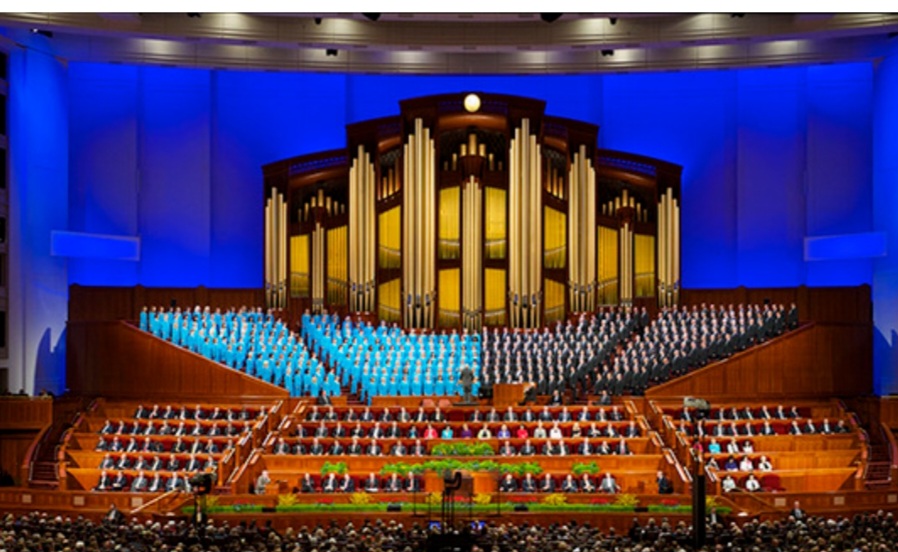
If we screened and auditioned teachers like we do with applicants for the Tabernacle Choir, perhaps we would find teachers who had actually obtained the word of God, who taught with the Spirit of Revelation and the Spirit of Prophecy. 


But that would require that those doing the screening would recognize the Spirit of Revelation and the Spirit of Prophecy, and who knew the difference between ecclesiastical authority and those who have His Spirit and His word, yea, who teach with the power of God unto the convincing of men.


Correct answers: c, e and d.


Teaching in the Savior's Way